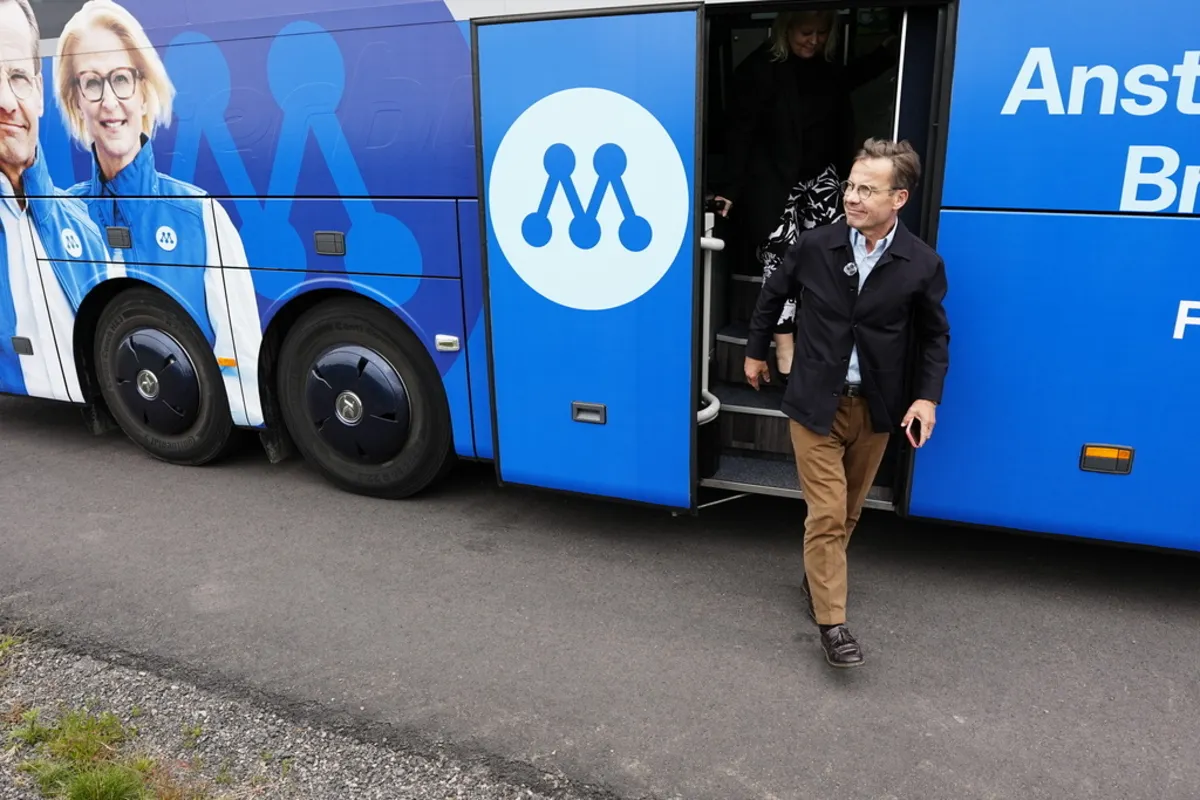
“Right now it is a bit unclear,” Prime Minister Ulf Kristersson told Swedish newswire TT, regarding whether the measures would be extended.
Experts warn of continued high fuel and electricity prices this winter, not least because of the crisis in the Middle East. In addition, rising food prices are expected due, among other things, due to a particularly severe variant of the weather phenomenon El Niño this year.
The government has already temporarily lowered taxes on gasoline and diesel twice this year, after receiving the green light from the EU Commission, to counteract rapidly rising prices.
"The decision ultimately depends on what happens in the region (the Middle East) and on the price picture. Right now it is a bit unclear, I would say, but we have no new decisions," Kristersson told TT.
Finance Minister Elisabeth Svantesson emphasised that this is a temporary approval that Sweden has received from the EU Commission.
"It is a protracted crisis and the longer it goes on, the more difficult it could become with energy prices and other things going forward," she said. "I follow this issue every day and am prepared to do more if required, but what we have done so far is very well balanced."
The government also lowered the food VAT from 12 to 6 percent from April 1st this year, in order to keep costs down for households. That decision is valid until December 31st, 2027.
"Basically, it is temporary, but a lot can happen," said Svantesson. "Something I have learned over the years is that the turbulence in the world can mean that there is a need for support, but you also have to set it against other investments."
Svantesson added that she “does not rule out low food VAT in the future”.