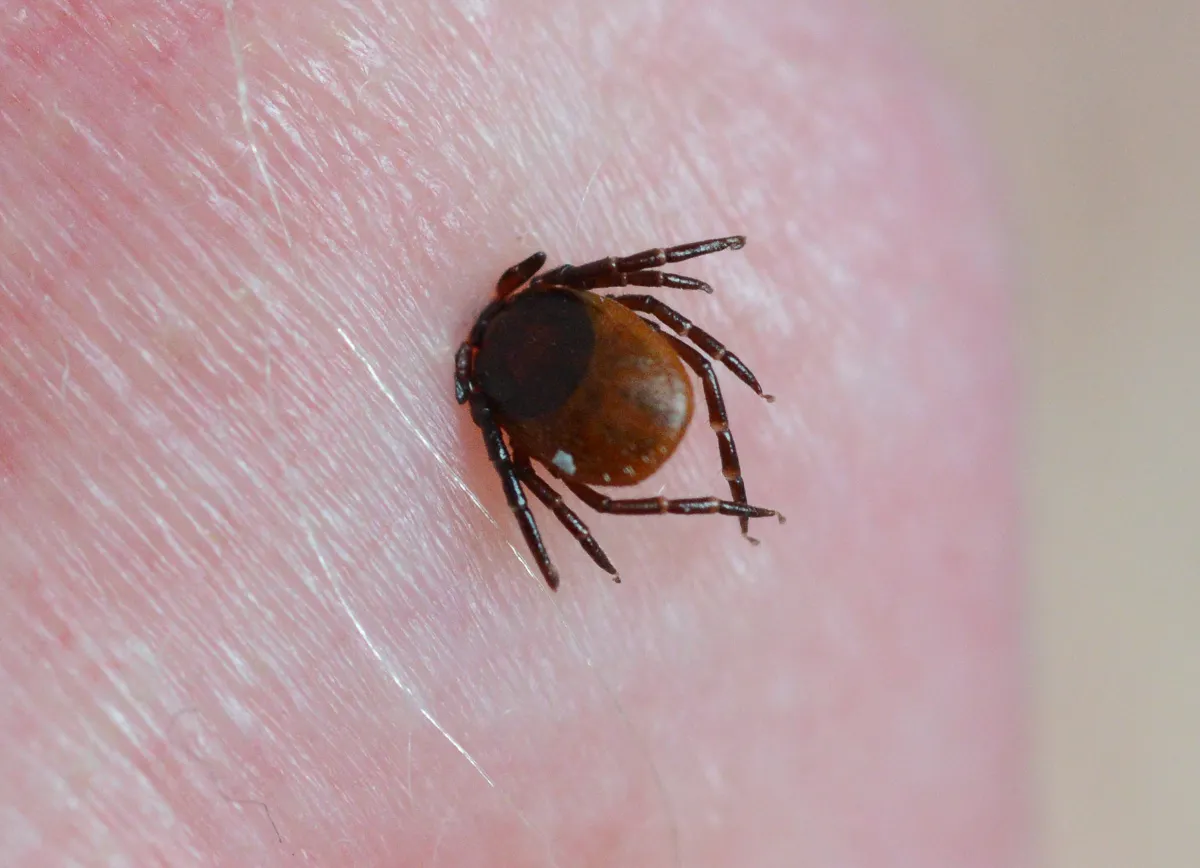
Up to and including September 14th, 448 cases of TBE – Tick-borne encephalitis – had been reported, according to fresh figures from the Public Health Agency. The figure has never been so high in any previous year. The year 2023 comes closest, with 392 cases reported over the same period.
Most people who contract TBE do not get sick, but the disease can hit hard. Of those who get infected, 10 to 30 percent suffer from flu-like symptoms for four to seven days. Of those, 20 to 30 percent risk developing a second phase, when the virus spreads to the brain or the meninges. Some people develop severe symptoms straight away, without an initial phase of fever.
Pinpointing the exact cause of this year's increase in cases is tricky, according to Caroline Schönning, an investigator at the Public Health Agency.
"There are so many factors that influence the TBE situation. There is the tick population, which in turn depends on host animal populations such as roe deer and small rodents. Both of these can depend on the weather we've had during the winter and summer. And in the long run, a warmer climate can lead to longer tick seasons," she told the TT newswire.
The number of cases can fluctuate wildly from one year to the next, but over the past ten years, infections have been climbing by about 6 percent per year
THE LOCAL'S GUIDE: How to protect yourself against ticks in Sweden
This spring, the Public Health Agency issued updated recommendations regarding TBE vaccination. The advice is that all adults and children over three years old across large swathes of southern Sweden – where ticks are most prevalent – should get vaccinated. It is not yet clear whether the recommendation has had any impact.
"We haven't yet been able to evaluate whether these recommendations have directly led to more people getting vaccinated. However, you also need to take a series of vaccine doses, so from a medical standpoint, it takes a while before recommendations yield results," said Schönning.
Tick season is far from over. In 2023, many cases were reported relatively late into the autumn. In other words, there's no need to hold off on getting vaccinated until next year.
"If you spend time in areas where ticks and TBE are prevalent, it is a good idea to go and get vaccinated now as well. Partly because you need a sequence of doses, and partly because ticks remain active for quite some time yet," said Schönning.